eaving a rental property marks a significant transition, bringing both relief and responsibility. Amidst excitement about your new home, ensuring your departing property receives proper attention becomes essential for protecting your deposit and maintaining positive relationships with landlords. End of tenancy cleaning represents far more than surface tidying; it demands comprehensive attention to details most people overlook during everyday living. Understanding what this process entails helps you approach it strategically and ensure satisfactory outcomes.
Why End of Tenancy Cleaning Matters
Protecting your financial investment
Your security deposit represents substantial money held by landlords against potential property damage or inadequate cleaning. Landlords legally retain portions of deposits to cover cleaning costs not meeting move-out standards. Professional cleaning standards directly determine whether you recover your full deposit or face unwelcome deductions.
Meeting landlord expectations and legal requirements
Rental agreements explicitly require properties to be returned in clean condition matching move-in standards. Failing to meet these expectations provides landlords legal justification for deposit deductions. Understanding and meeting these requirements protects your interests whilst maintaining professional relationships.
Preventing future disputes and complications
Unclear cleaning standards create fertile ground for tenant-landlord disputes. Comprehensive cleaning documented by professionals eliminates ambiguity regarding condition upon departure. This clarity prevents arguments and provides evidence if disputes subsequently arise regarding deposit deductions.
Key Areas Demanding Detailed Attention
Kitchen deep cleaning requirements
Kitchens receive intensive scrutiny during final inspections. Oven cleaning requires degreasing interiors, removing burnt-on food and grease accumulated during tenancy. Hob surfaces demand thorough scrubbing to remove stains and buildup. Cupboards and drawers warrant interior wiping, eliminating dust and marks. Refrigerators need defrosting and thorough cleaning if included in the tenancy.
Bathroom restoration
Bathrooms present notorious cleaning challenges. Soap scum, limescale, and mould require specialist treatment for complete removal. Shower enclosures, bathtub edges, and tile grouting demand meticulous attention. Hard-water stains and accumulated product residue need professional-grade cleaning products and techniques for restoration.
Flooring and carpet treatment
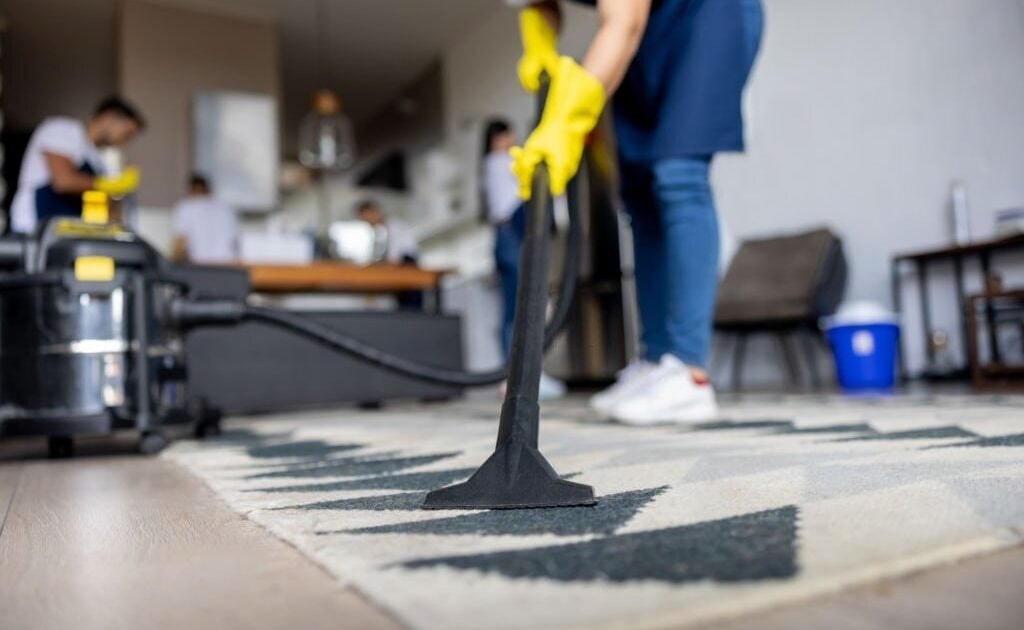
Carpets represent major deposit deduction sources when inadequately cleaned. Professional steam cleaning rather than standard vacuuming removes embedded dirt and stains accumulated during occupancy. Hard flooring requires thorough scrubbing and polishing, restoring shine and appearance. Deep cleaning ensures flooring restoration to acceptable standards.
Walls, paintwork, and fixtures
Scuff marks, fingerprints, and marks accumulate on walls and around light switches, door handles, and fixtures. These often-overlooked details create negative impressions during final inspections. Thorough cleaning addresses these details, ensuring pristine appearance throughout properties.
Guildford-Specific Considerations
Local rental market standards
Guildford's competitive rental market creates exacting landlord standards. Properties in this area typically command premium rents, correlating with elevated cleaning expectations upon departure. Understanding local standards ensures your cleaning efforts align with Guildford landlord expectations.
Hard water and mineral deposit challenges
Guildford's water chemistry creates persistent limescale and mineral deposits on fixtures and surfaces. Standard cleaning often proves insufficient for removing these stubborn buildups. Professional cleaning utilising appropriate products and techniques effectively addresses Guildford-specific water quality challenges.
Period property considerations
Many Guildford properties feature period characteristics requiring specialist cleaning approaches. Original features, distinctive fixtures, and aged surfaces demand careful handling preventing damage. Professional cleaners experienced with period properties understand these nuances, ensuring appropriate treatment.
When Professional Cleaning Becomes Essential
Attempting end of tenancy cleaning independently often creates substandard results despite considerable effort. Professional services employ industrial equipment, specialist products, and trained expertise ensuring comprehensive cleaning meeting professional standards. For Guildford properties, professional end of tenancy cleaning Guildford services provide comprehensive solutions addressing local standards and landlord expectations. Quality providers assess properties thoroughly, develop customised cleaning plans, and guarantee completion to standards protecting your deposit whilst eliminating moving-day stress.
Common Questions About End of Tenancy Cleaning
What exactly constitutes professional end of tenancy cleaning standards?
Professional cleaning encompasses deep cleaning throughout properties: degreased ovens, steam-cleaned carpets, descaled bathrooms, cleaned skirting boards, and pristine light switches and door handles. Standards significantly exceed regular household cleaning, addressing areas rarely cleaned during occupancy.
How much should I budget for professional end of tenancy cleaning?
Costs depend on property size and condition. Small flats typically cost £150 to £350, whilst larger properties may reach £500 to £1,200. Professional providers offer detailed quotes following property assessments, ensuring transparent pricing without hidden charges.
Can I handle end of tenancy cleaning myself to save money?
Whilst possible, most DIY efforts fail matching professional standards. Achieving proper results requires specialist equipment, appropriate products, and considerable time investment. The modest professional service cost typically preserves significantly larger deposit amounts.
How long does professional end of tenancy cleaning typically take?
Duration depends on property size and condition. Flats usually require 4 to 6 hours, whilst larger properties may need 8 to 10 hours. Professional providers schedule work efficiently, coordinating with your moving timeline conveniently.
What happens if landlords still deduct charges after professional cleaning?
Retain all professional cleaning documentation including receipts, completion certificates, and photographs. These documents support deposit disputes if deductions seem unreasonable. Professional services provide evidence supporting your position during disagreement resolution.
Conclusion
End of tenancy cleaning deserves serious attention given its impact on deposit recovery and landlord relationships. Rather than attempting rushed DIY cleaning risking inadequate results, professional end of tenancy cleaning ensures comprehensive property restoration meeting landlord expectations and professional standards. Investing in quality cleaning protects your financial interests, eliminates moving-day stress, and facilitates smooth transitions from rental properties. Your deposit protection and peace of mind justify professional cleaning investment, making quality services genuinely worthwhile for departing tenants.