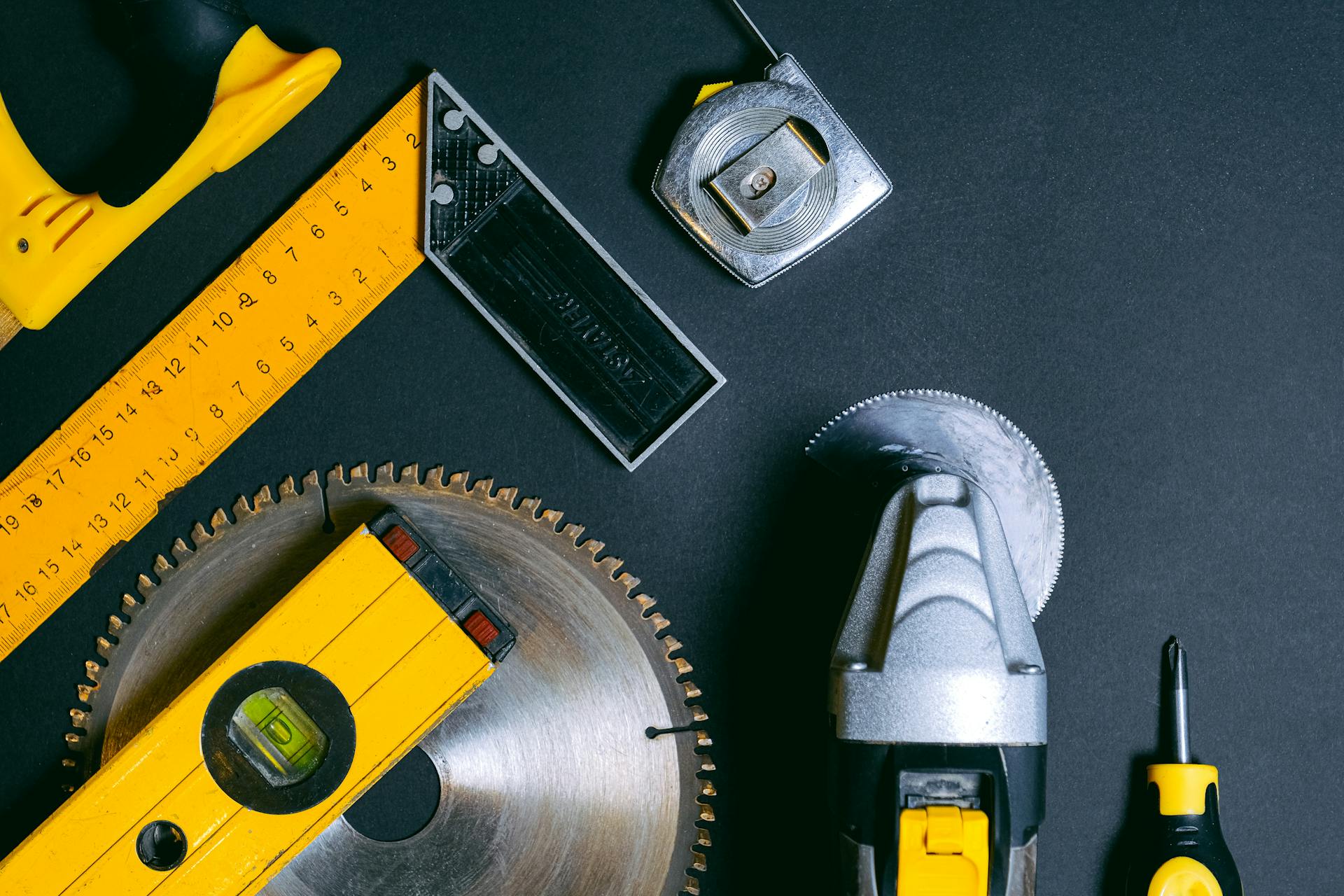
Home projects don’t fall apart from lack of motivation. They die because the space they inhabit gets overrun by tools and supplies. When saws and drills, fasteners and ladders, and all the other bulky paraphernalia of making something spill into the living environment, every step you take is slowed by having to climb over that clutter. Temporary storage offers some breathing space by fencing off what you need right now from what will come in tomorrow’s work, so your home retains some usability while your work continues. The trick is to grab—no, not grab—choose the right stuff to keep in residence, pack-up the rest in a way that will keep it from becoming rusty, bruised, or losing its fittings, and label it so finding the right stuff is instant. Let’s take a look at a practical system for staging tools by project phase, protecting them, and winning back space that was lost with no slowing down of your work.
Which Tools Should Stay Accessible And Which Can Be Stored Away
Temporary space decisions matter because the wrong tool in the wrong place slows every task and increases breakage. Keep daily-use essentials within reach, including your primary drill, driver bits, tape measure, level, pencils, fasteners you’re actively using, and the tool you’ll touch every session like a shop vac or work light. Store away bulky or phase-specific items such as a tile saw between bathroom steps, extra ladders, specialty blades, duplicate nailers, spare extension cords, and unopened boxes of accessories until their phase starts. This approach reduces tripping hazards, prevents “tool pile” chaos, and keeps costly gear from getting knocked over or left in damp corners. If your home is tight, using a nearby option like Mesa climate-ready storage units can help you keep living space functional while still keeping projects moving. Next, we’ll set up a simple protection system so stored tools come back ready, not rusty or incomplete.
How To Protect Tools From Moisture, Rust, And Damage In Temporary Storage
Tools last longer when storage is treated like a job step, not a pause button. Focus on keeping parts together, keeping surfaces dry, and making retrieval predictable so you don’t waste time rebuilding kits mid-project.
Essential Principles to Follow:
- Seal And Group By Task Pack tools as mini-kits by job type so accessories stay with the tool that needs them.
- Dry, Wipe, And Buffer Remove dust, dry moisture, and add light padding so tools don’t bang together in transport.
- Label For Instant Retrieval Use clear labels that show the project, room, and phase so you can pull the right kit in seconds.
Common Pitfalls to Avoid:
- Storing tools dirty or damp, which leads to rust, sticking parts, and shortened lifespan.
- Tossing accessories loose in a box, which causes missing bits, blades, and batteries when you need them.
- Overstacking heavy items, which cracks cases and damages calibrated tools.
- Forgetting a return plan, which turns “temporary” storage into lost tools and duplicate purchases.
A Simple Rotation Plan For Keeping Projects Moving Without Clutter
Step 1: Stage tools by phase and keep only one phase active in your home. Create three groups labeled Now, Next, and Later, based on your project schedule for the next two weeks. Store the Now kit where you work every day, move the Next kit into a nearby holding spot, and place the Later kit into sealed bins so it’s protected and out of the way. Step 2: Build a consistent end-of-session reset that takes under five minutes. Wipe down tools, check batteries, return small parts to the correct kit, and update a simple note on what’s missing or needs replacing. When a phase ends, move the old Now kit into Later, promote Next to Now, and pull the new Next based on the upcoming tasks. This rhythm keeps your workspace clear, prevents lost accessories, and reduces the stop-start frustration that kills momentum.
What Changes For Small Homes, Shared Garages, And Multi-Room Remodels
How do you make this work in a small home?
Small homes need stricter limits and smarter vertical storage. Keep only the Now kit inside and store everything else in stackable, labeled bins that fit a closet or under a bed. Use one folding table or rolling cart as your mobile work zone so you can pack up quickly and reclaim living space. If you're based in Scotland and space is genuinely tight, self storage Livingston facilities like Top Box offer drive-up container units on flexible short-term lets, so you can clear the house while keeping everything accessible.
How can you avoid conflict in a shared garage or driveway?
Shared spaces need clear boundaries and visibility. Assign one shelf or taped floor zone for each project, and keep tools in closed cases so nothing “wanders” into someone else’s pile. Set one weekly check-in where you consolidate kits, remove trash, and confirm what’s moving into the Now group next.
What changes when you’re remodeling multiple rooms at once?
Multi-room work fails when tools and materials mix across spaces. Label kits by room and phase, then run a simple rule that tools return to their room kit at the end of each session. If you’re bouncing between rooms, keep a small universal kit for measuring, marking, and fastening, and store room-specific specialty tools separately to prevent constant searching.
A Quick Checklist For Packing, Labeling, And Finding Tools Instantly
Keep temporary tool storage from piling up by thinking about it like a system rather than a disassociated pile. Put away everything except your current-phase kit, and stow everything else in sealed bins grouped by task. Label each kit with the phase, room, and exact contents so you can find them at a glance. Take 10 minutes at the end of each work period to wipe down tools, test batteries, and put small parts back into their matched kits. Rotate kits as phases change, and you’ll save your gear and keep the living space livable throughout the project.
Create your Now, Next, and Later tool kits today and label them before your next work session.
Frequently Asked Questions About Short-Term Tool Storage
How do I decide what belongs in the “Now” kit versus storage?
Put in the Now kit anything you will use in the next 7–14 days and anything that would stop work if it’s missing. If a tool is specialty and only needed for one step later, store it in a labeled bin until that phase begins. This keeps your workspace clear without slowing the job.
Should I remove batteries and blades before storing tools?
For longer pauses, remove batteries and store them together so they’re easy to charge and check. Blades and bits should be stored in protective cases so they don’t dull or get lost, especially if you transport bins. Keeping sharp parts protected also reduces accidental cuts when unpacking.
How can I prevent rust if storage conditions aren’t perfect?
Clean and dry tools before packing, then add light protection to exposed metal surfaces. Keep tools off the floor and sealed in containers to reduce exposure to moisture and dust. A quick mid-storage check can catch issues before they become permanent.
What’s the simplest way to avoid losing small accessories?
Store accessories in divided cases inside the same kit as the tool they match. Label the case with the tool name and include a quick contents list so you can confirm what’s missing at a glance. This prevents repeat buying and keeps each phase running smoothly.

Kyle Reyes
Kyle Reyes is a part-time writer and a full-time nerd studying English Writing at the University of Pittsburgh. A lover of all things fiction and food. You can connect with Kyle on LinkedIn or Twitter.
View All Posts