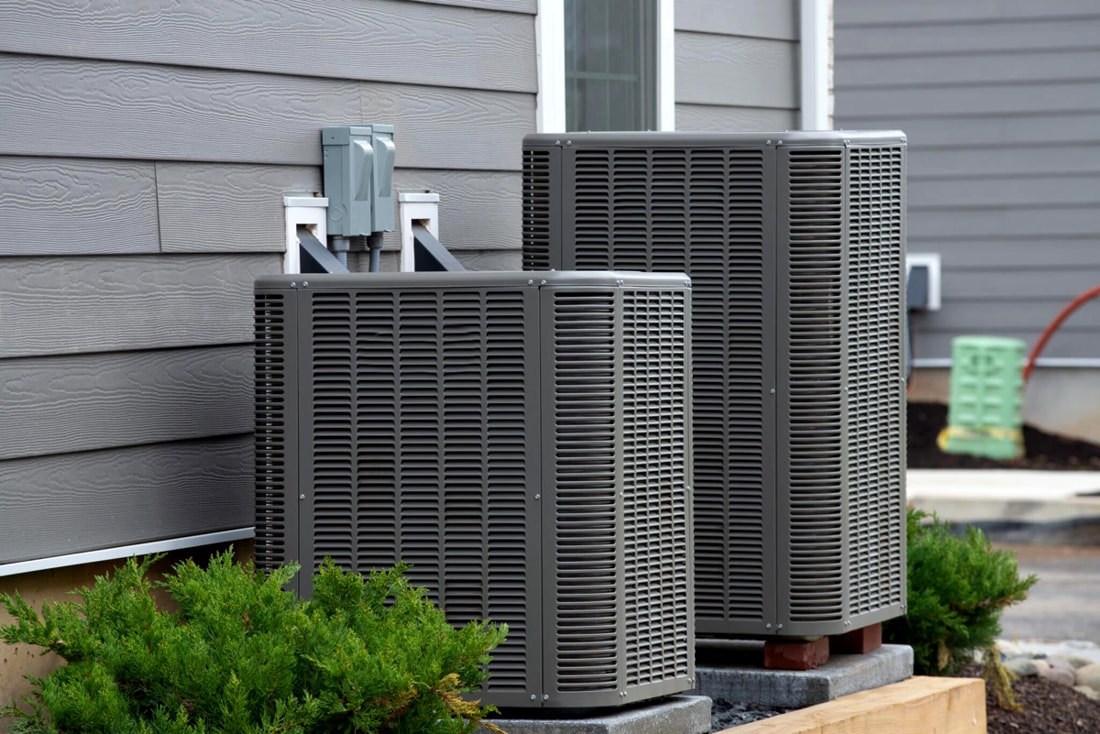
The old condenser says three tons, and you find a new three ton condenser at a good price. Same number, same job, except the job may not be done at all.
This is one of the most common and expensive misunderstandings homeowners run into with heating and cooling equipment. The number stamped on the side of a unit tells you its capacity. It does not tell you whether that unit will work correctly with the rest of what is already in your home.
HVAC equipment is a system, not a shelf of interchangeable boxes. Understanding why matters before you spend money on a part that may not perform the way you expect.
Tonnage Is Capacity, Not Compatibility
Tonnage describes how much heat a system can move in an hour. One ton equals twelve thousand BTU per hour. That figure is useful for a rough sense of scale. It says nothing about how two pieces of equipment behave when connected.
Two 3-ton condensers from different product lines can have varying refrigerant requirements, airflow expectations, and indoor coils they are designed to pair with. Matching the tonnage is the starting point of the conversation, not the end of it.
There is also a sizing question underneath all of this. The right capacity for your home depends on a heating and cooling load calculation, not on the number that happened to be installed years ago. The previous unit may have been oversized or undersized from day one. Copying its tonnage forward just repeats an old mistake.
The Outdoor and Indoor Units Are a Team
In a typical split system, the outdoor condenser and the indoor coil or air handler are engineered to operate together. The manufacturer designs and tests them as a pair. The coil is sized to the condenser. The refrigerant metering is matched to both.
The published efficiency rating, the SEER2 number people shop by, only applies when the approved combination is installed together. Swap in a mismatched indoor coil and several things can go wrong at once:
- The efficiency rating no longer applies, so the number you paid for is not the number you get
- The system may not dehumidify properly, leaving rooms cold and clammy
- Components can run under strain, which shortens their life
- The manufacturer warranty may not cover a combination that was never approved
An outdoor condenser sitting by itself is not a complete system. It is one part of one. That is worth remembering when a standalone unit looks like a bargain.
Why Exact Model Numbers Matter
This is where the AHRI Directory comes in, and it is the single most useful tool a homeowner can know about. The Air Conditioning, Heating, and Refrigeration Institute tests split systems as matched combinations rather than as individual units. When a specific outdoor unit and a specific indoor unit are certified to work together, that pairing gets a unique Certified Reference Number, and the certificate lists the ratings that combination actually delivers.
The practical takeaway is that a model number tells you whether two units are a verified match. Two coils that look identical can carry different model numbers and different certifications. The number is the answer to the compatibility question, which is why it is worth writing down before you shop for anything. If you ever apply for a utility rebate or an efficiency tax credit, you will likely need that AHRI certificate anyway, so the model numbers matter twice.
How to Confirm What You Actually Need
First, get the specifications confirmed. That means a qualified HVAC professional identifying the correct matched combination for your home, taking into account your load, your existing equipment, your refrigerant, your ductwork, and your electrical setup. This is the step that turns guesswork into a real parts list.
Once you know the exact equipment you need, down to the model numbers, you are in a position to compare what is available and at what price. At that point, some buyers check local availability directly through an HVAC supplier Philadelphia rather than ordering blind, because having the confirmed models in hand makes it easy to see what a warehouse actually stocks.
The key is that the specifications come first and the shopping comes second, never the reverse. Buying the parts is the easy part. Knowing which parts are the right parts is the part worth slowing down for.
Refrigerant Type Is Now Part of the Match
For years, most residential systems used the same refrigerant, so it rarely came up in a homeowner's decision. Now, new equipment is moving to refrigerants with lower global warming potential, and the Environmental Protection Agency is managing that transition under the AIM Act. The result is that not every new unit uses the same refrigerant your existing system was built around.
This makes compatibility more important than it used to be, not less. A new condenser designed for a newer refrigerant is not a drop in replacement for an older indoor coil built around a different one. The two are not interchangeable just because the tonnage lines up. If you are replacing only part of a system, refrigerant type becomes one more specification that has to agree across every component.
The Details That Quietly Decide the Match
Beyond capacity and refrigerant, a few less obvious factors can make or break a pairing.
- Electrical requirements: Voltage and circuit needs vary. A new unit may not drop onto the existing electrical setup without changes.
- Airflow and ductwork: The indoor equipment has to move the right volume of air. Existing ducts may not suit a new unit's expectations.
- Cabinet dimensions: Physical size matters more than people expect. A replacement coil or air handler has to fit the actual space, connections, and clearances you already have.
- Fuel type: For heating equipment, gas and electricity are not swaps for one another.
- Equipment age: Older indoor components paired with much newer outdoor units frequently fall outside any approved, tested combination.
The Takeaway
Real compatibility comes from the model numbers, the refrigerant, the airflow, the electrical requirements, and the tested combination behind them. Treat HVAC equipment as one connected system and you avoid the costly surprise of a part that fits the budget but not the house. When in doubt, confirm the match with a professional before anything gets purchased. It is a short conversation that prevents a long problem.